






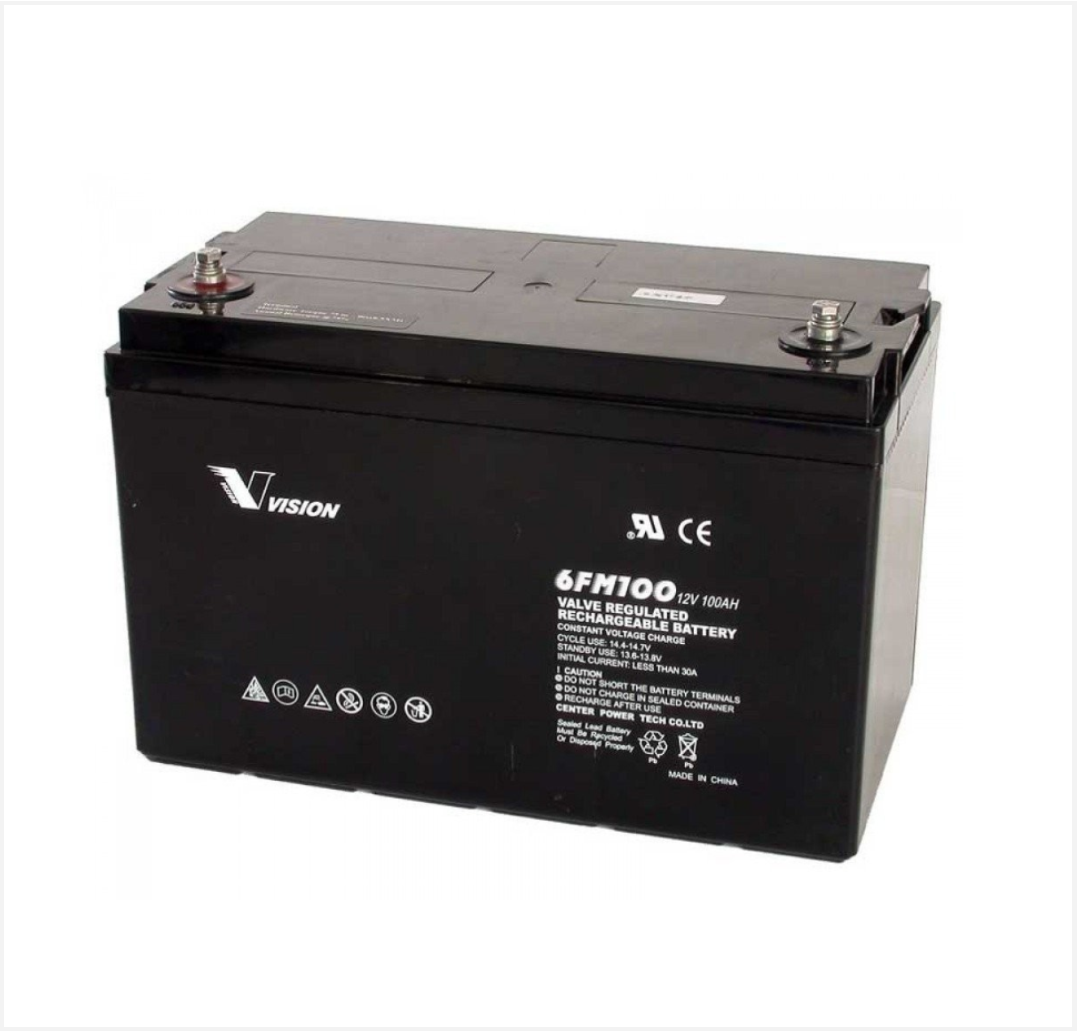
 Battery
 Battery Box
 Inverters
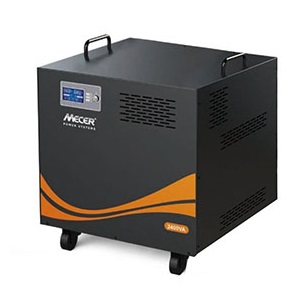 Inverters With Batteries
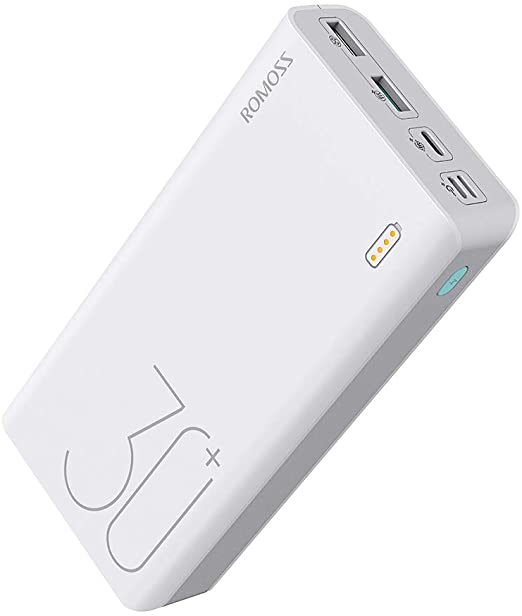 Powerbank
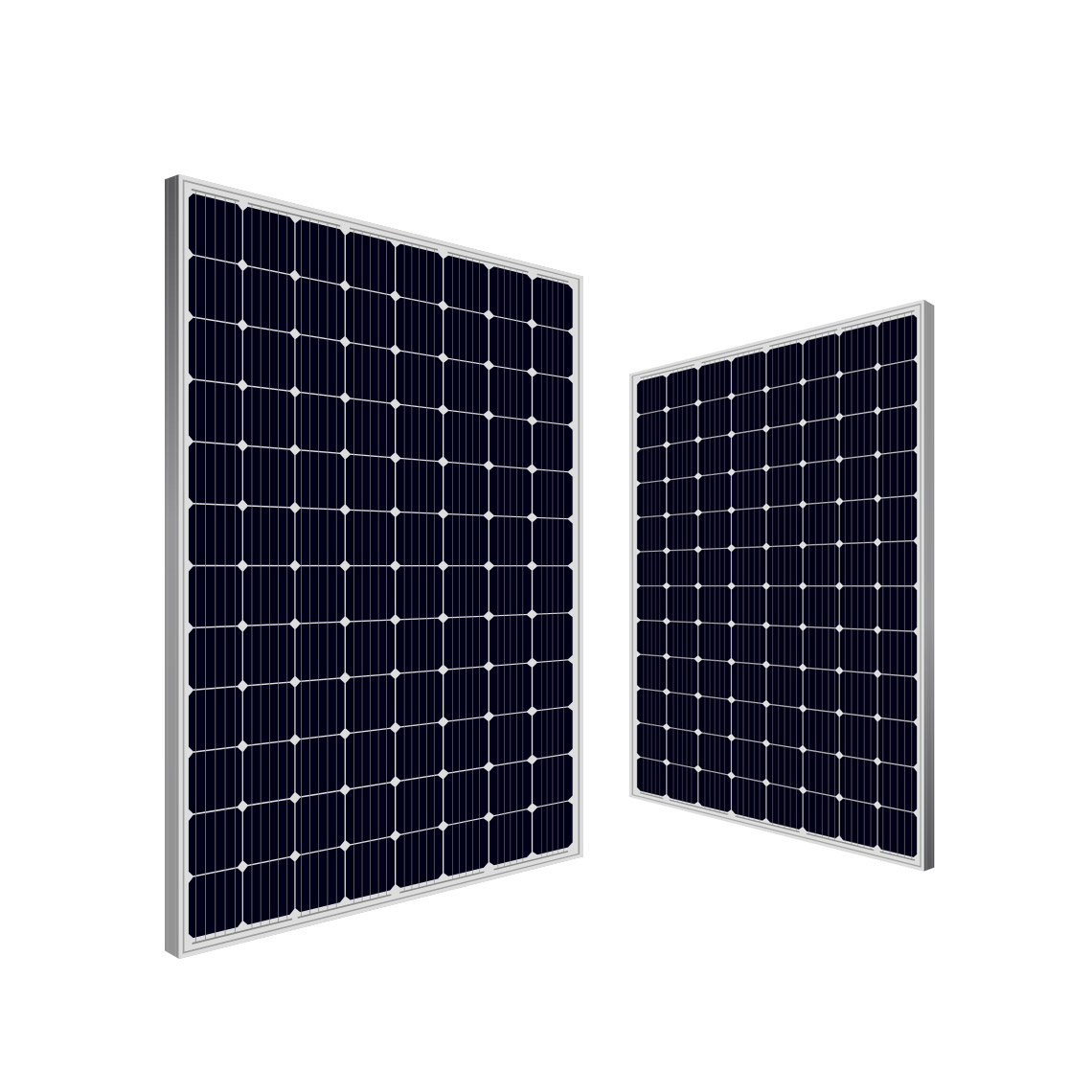 Solar panel
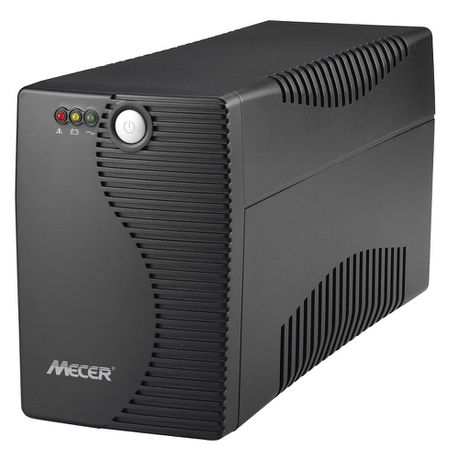 Ups
Ups

 IP Phone
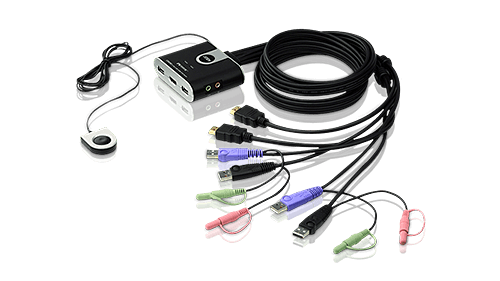 KVM Products
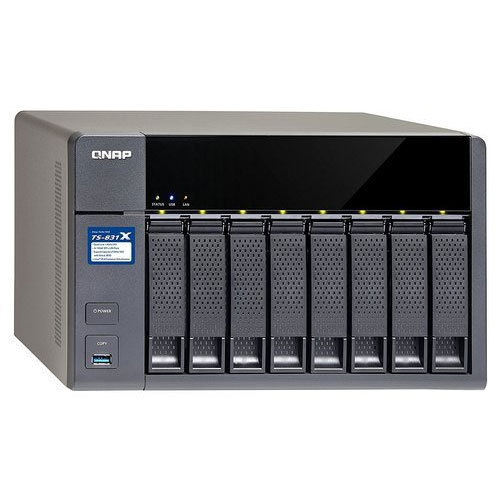 NAS Storage
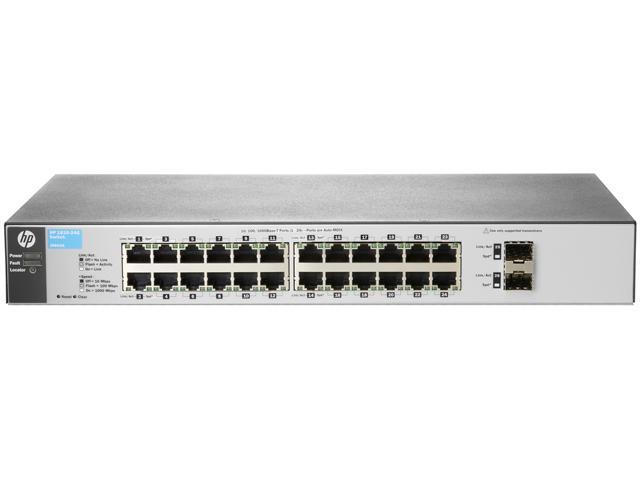 Network Switch
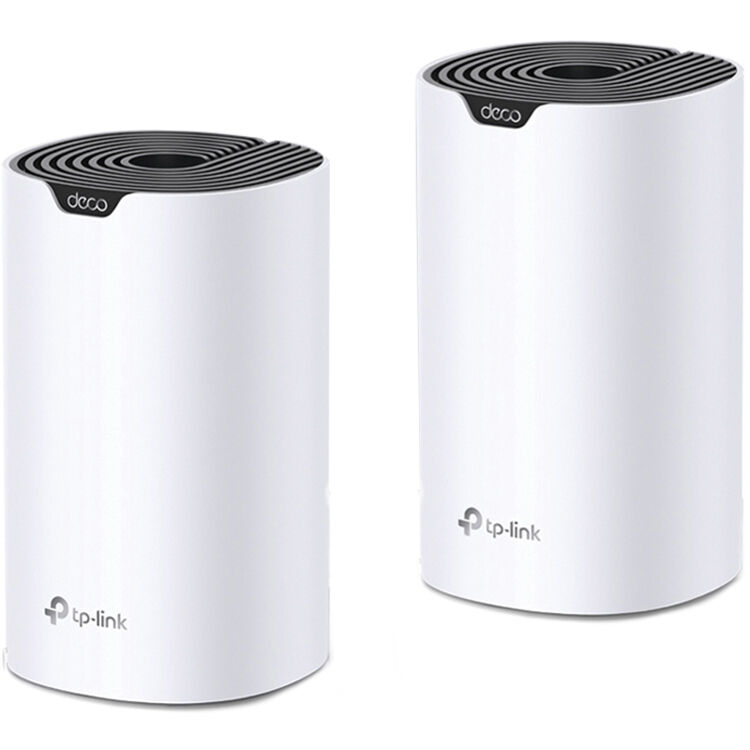 Network Wireless
 Routers 3G|4G|LTE
 Routers WiFi
 Routers ADSL|VDSL

 Software Office
 Antivirus
 Software Operating System
 Software Other





Intel SSD cache activation key
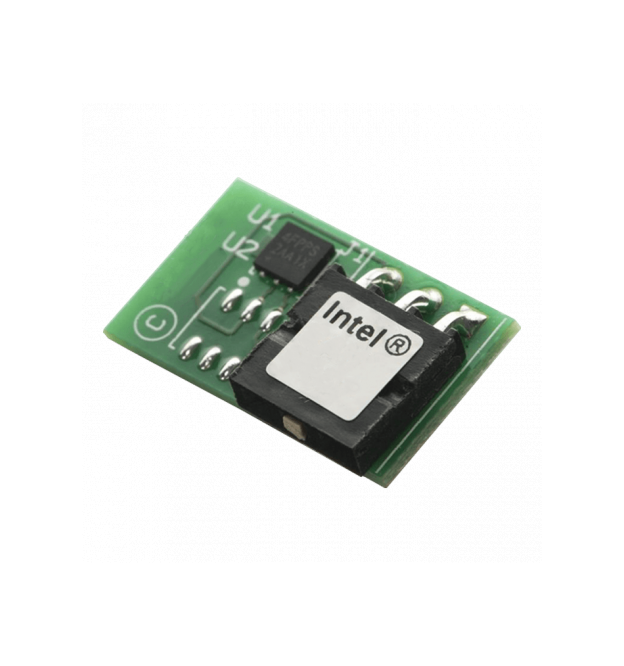


Features:
Intel raid ssd cache with fast path* i/o improve your storage performance
The intel raid premium feature ssd cache with fastpath* i/o allows users to take advantage of significant performance enhancements while generating a higher roi for ssds. This feature offers two distinct usage models for server systems with one or more solid-state drives (ssd). The first usage model is to use ssds as extended cache for an array of conventional hard drives. The second usage module is using fastpath i/o to accelerate i/o performance of a complete ssd array through the enablement of algorithms optimized for flash-based storage.
Ssd cache key benefits:
- Accelerates performance of existing hdd arrays with small upfront investment
- Read and write caching of hot spot data for significant reduction in i/o latency
- Optimized for real-world workloads of transaction-intensive applications
- Simple, intuitive management tools to assign and manage ssd cache pool
Ssd cache reduce latency bottlenecks for server-based hdd volumes
Workload-intensive business applications are often constrained by the performance limitations of their existing hard disk drives (hdds). With this type of storage infrastructure already in place, many businesses have not previously been able to adopt higher performing ssds as a full array of ssd's is too costly despite the significant iops benefit.
Accelerate the performance of existing hdd arrays without making substantial investments in new hardware by deploying ssd cache with lsi megaraid cachecade* technology. Ssd cache leverages ssds in front of hdd volumes to create high-capacity, high-performance controller cache pools.
Intel raid ssd cache 2.0 with lsi megaraid cachecade pro* 2.0 read and write caching technology eliminates the need for manually configured hybrid arrays by intelligently and dynamically managing frequently-accessed data and copying it from hdd volumes to a higher performance layer of ssd cache. Copying the most accessed data (hot spot) to flash cache relieves the primary hdd array from time-consuming transactions, which allows for more efficient hard disk operation, reduced latency, and accelerated read and write speeds. This provides significant improvements to overall system performance wo-to-twelve times that of hdd-only configurations or a wide variety of server applications, including web, file, online transaction processing (oltp) database, data mining, and other transaction-intensive applications.
Fastpath* i/o
Fastpath* i/o increases standard transactional performance or application workloads by up to 200 percent as it operates as a high-performance i/o accelerator for ssd arrays connected to an intel raid controller. This advanced software can dramatically boost storage subsystem and overall application performance articularly those that demonstrate high random read and write operation workloads hen deployed with a 6 gb/s intel raid controller connected to ssds. Application workloads that will benefit most, from fastpath i/o with ssd volumes, are those with small and random i/o patterns requiring high transactional throughput, such as oltp.
Specifications | |
| Product Code | AXXRPFKSSD2 |
| Target market | Scalable performance |
| Board form factor | Activation key |
| Supported operating systems | All supported operating systems |
| Supported SSDs | Varies by Intel RAID product; see the Tested Hardware for your specific Intel RAID product |
| Max. number of SSD disks in a CacheCade* cache pool | 32 SSDs |
| Max. number of SSC VD supported in a controller | Up to 64 (The total number of HDD VDs plus SSD cache VDs must not exceed 64 as this is the maximum number of VDs supported by the RAID controller.) |
| Max. SSD cache capacity per controller | 512 GB |
| Items included | Upgrade Key to enable SSD Cache with Fastpath* I / O for Intel RAID 6G ROC Products. |