






 Battery
 Battery Box
 Inverters
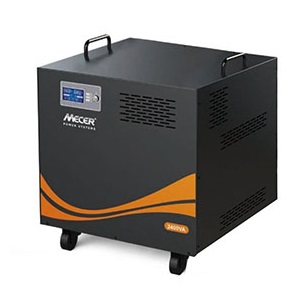 Inverters With Batteries
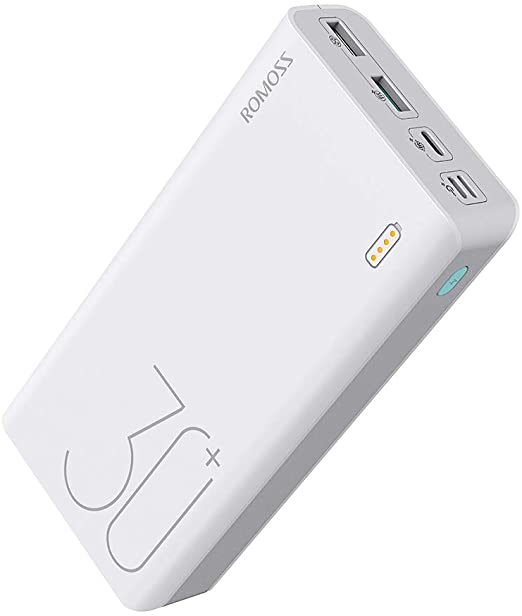 Powerbank
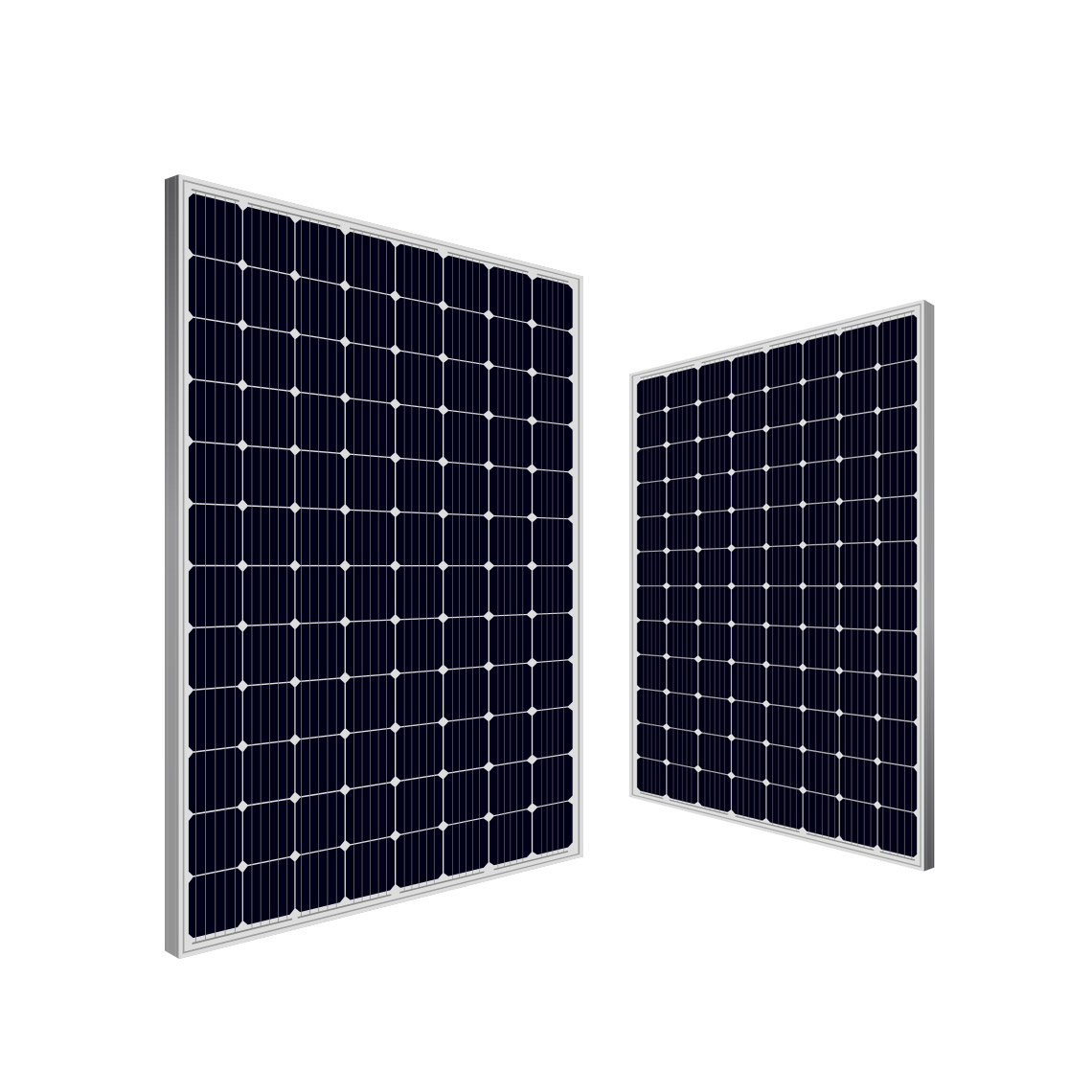 Solar panel
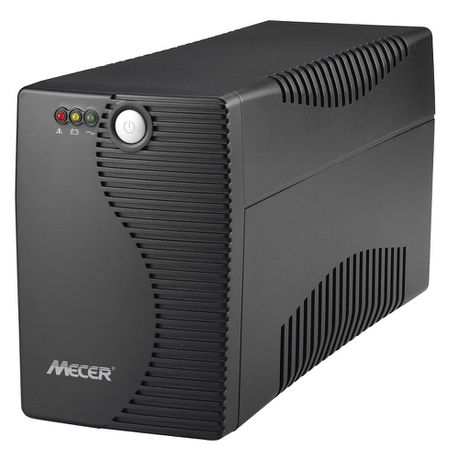 Ups
Ups

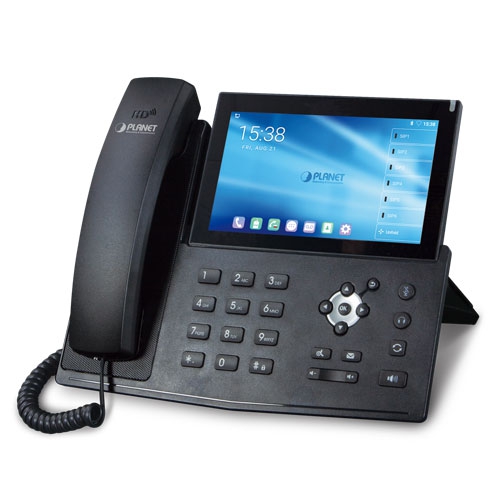 IP Phone
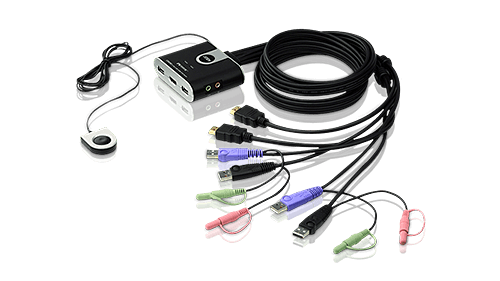 KVM Products
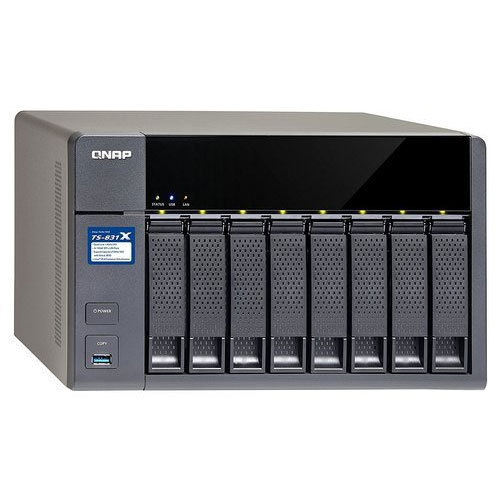 NAS Storage
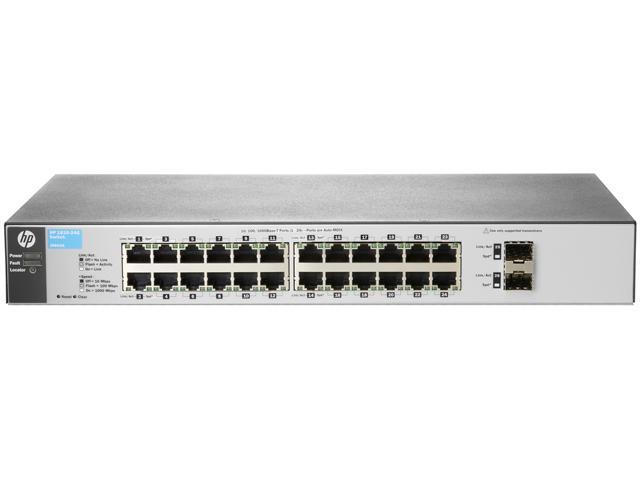 Network Switch
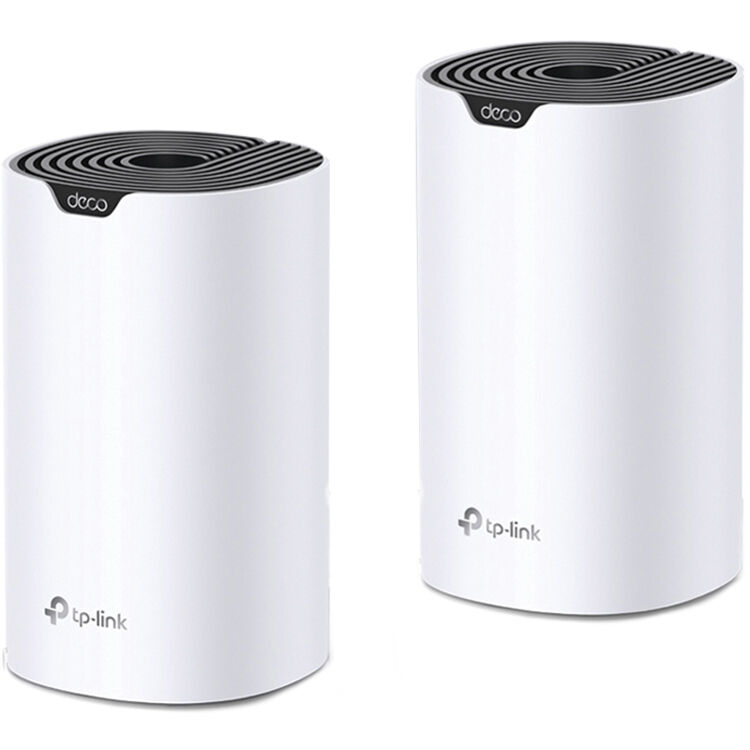 Network Wireless
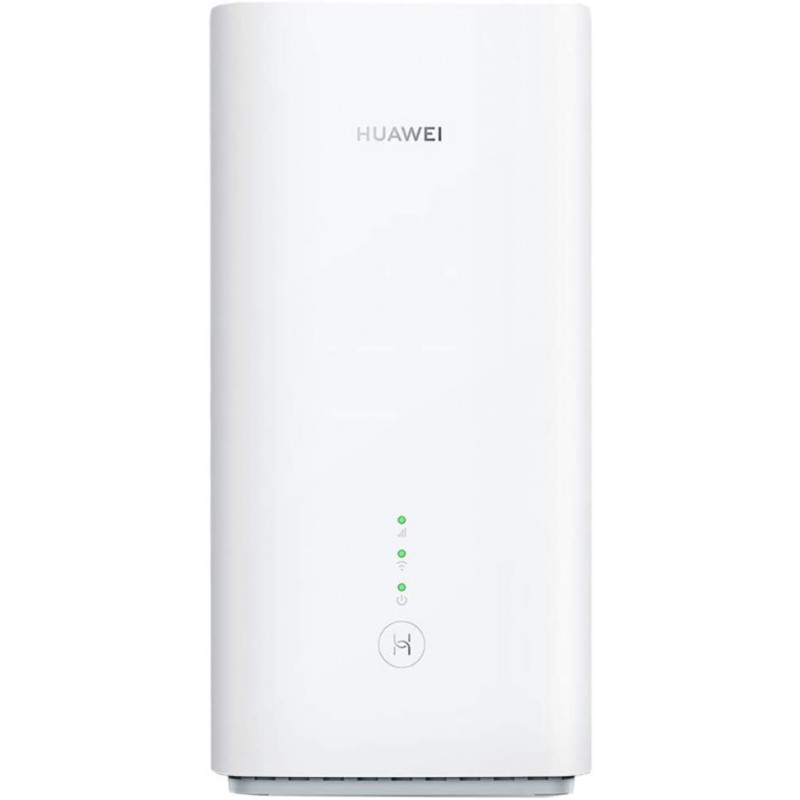 Routers 3G|4G|LTE
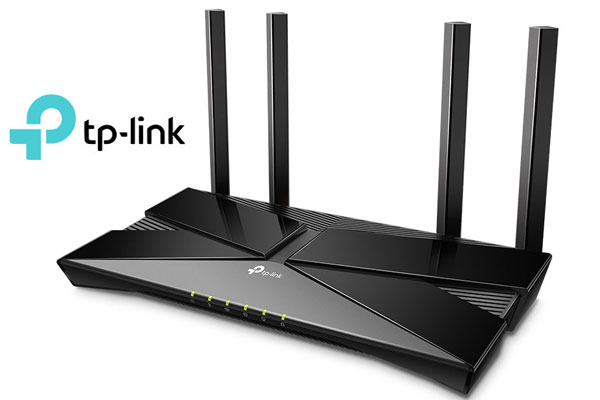 Routers WiFi
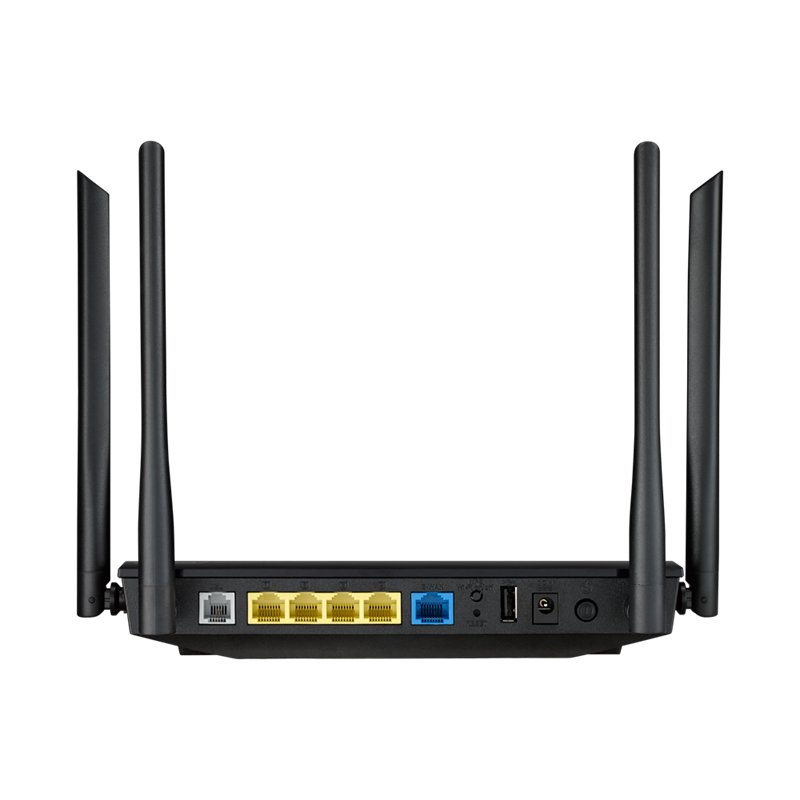 Routers ADSL|VDSL

 Software Office
 Antivirus
 Software Operating System
 Software Other



VIVOTEK Weigand Converter
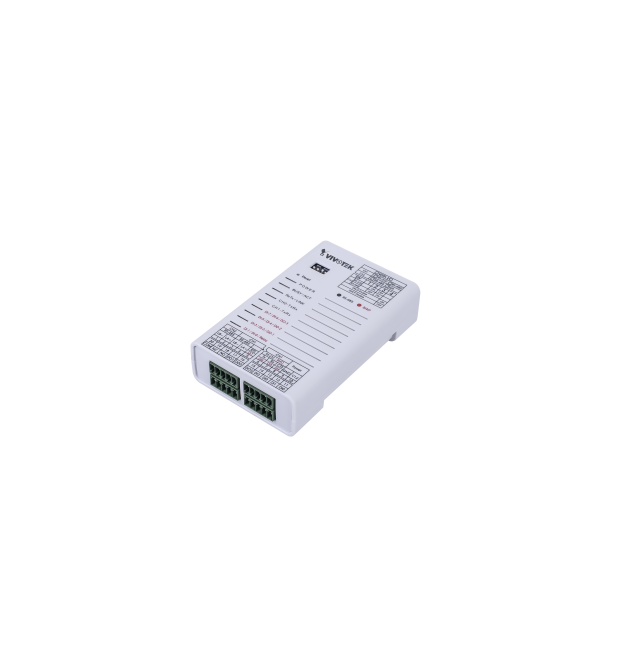


Vivotek AO-20W Features
Hardware
- TCP Serverÿ10/100 Mbps Base T Ethernet <--> RS485ÿ(Auto-detection by order: RS232, RS232+RS485)
- Server Port 0ÿBaud rate: 2400 bps - 115200 bps,ÿSupport TCP/Server, TCP/Client, UDP mode
- Server Port 1ÿBaud rate: 2400 bps - 115200 bps,ÿSupport TCP/Server, TCP/Client, UDP mode
- Maximum Wiegand OutputÿUp to 96 bits
- PoEÿNo
General
- ConnectorsÿDigital input x 8,ÿDigital output x 4: relay output x1 & digital output x3ÿ(DO1, DO2 = WG data 1, data 0 when using Wiegand protocol)
- LED Indicatorÿ9 LEDs for power, communication
- Power InputÿDC 9 ~ 24V
- Power ConsumptionÿMax. 2W
- Dimensionÿ106.5 (L) x 66.3 (W) x 27.7 (H) mm
- Weightÿ86 (ñ5) g
- Safety CertificationsÿFCC, CE, RoHs
- Starting Temperature: -25øC ~ 85øC (14øF ~ 185øF)
- Working Temperature: -20øC ~ 65øC (-4øF ~ 149øF)
- HumidityÿStorage: 5% ~ 95%, Working: 20% ~ 90%
- Bufferÿ1K each channel
- Surge ProtectionÿPower: 30 Volt, bi-directional avalanche breakdown device,ÿRS485 6.5 Volt, bi-directional avalanche breakdown device,ÿ400W peak power dissipation,ÿClamping time < 1 picosecond (theoretical)
- Fuse ProtectionÿPower PTC 150mA / RS485 PTC 30mA
Software
- Software Settingÿ701Server, 701Client HTTP web browser
- Operating SystemÿWindows 7/8/10,ÿWin Server 2008/2012/2016
- WatchdogsÿYes, build in watchdog for system error handling
Vivotek AO-20W Overview
The Wiegand protocol is commonly used in traditional access control systems, which grant access to drivers based on their badge with valid Wiegand ID numbers. In order to easily upgrade existing access control systems with the power of VIVOTEK LPR cameras, VIVOTEK?s onboard ANPR software can link license plates to specific Wiegand ID numbers (eg. driver?s badge). In the meantime, the VIVOTEK Wiegand converter can convert the Ethernet signal to Wiegand output signal in order to work with the existing access control system.
Moreover, with VIVOTEK?s ANPR software, you can also easily configure a mapping list to link plate numbers to specific ID numbers and set specific actions to individual groups.
Please sign in so that we can notify you about a reply